
Eten, drinken en parfums; Drie ingrediënten voor een onvergetelijke avond. Wordt ontvangen in het restaurant en laat je verrassen door 7 gerechten met 7 bijpassende wijnen beide geïnspireerd op de 7 parfums.
De chef-kok krijgt enkele weken van te voren verschillende parfums door, waarna hij/zij bijpassende gerechten bedenkt. ‘Noten’ uit de parfums dienen dan als inspiratie voor de gerechten. Zo kiest de ene chef om bepaalde ingrediënten tot een voorgerecht te maken en de ander laat zich door hetzelfde parfum inspireren tot een hoofdgerecht. Door ingrediënten aan verschillende zintuigen bloot te stellen leer je ingrediënten beter kennen en ook herkennen. Het parfumdiner laat duidelijk ervaren dat de verschillende zintuigen een grote invloed hebben op de totaal beleving. Het zo bewust ruiken, proeven en genieten zorgt voor een waardevolle, ontspannen avond samen zijn.
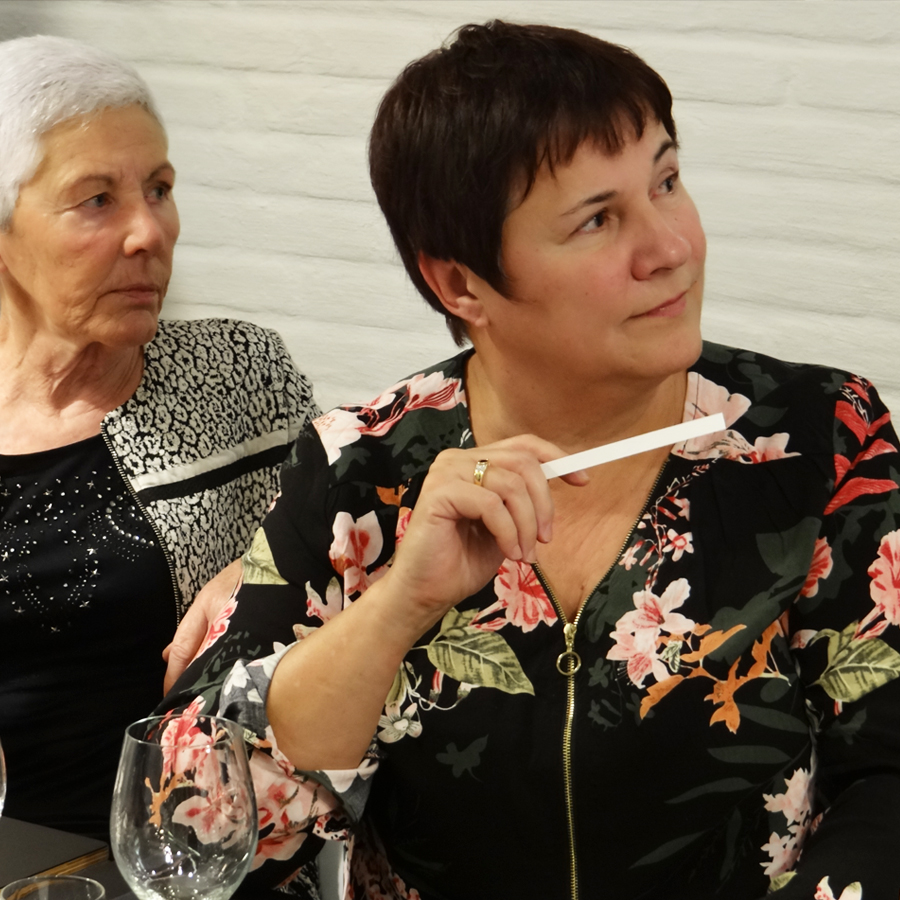
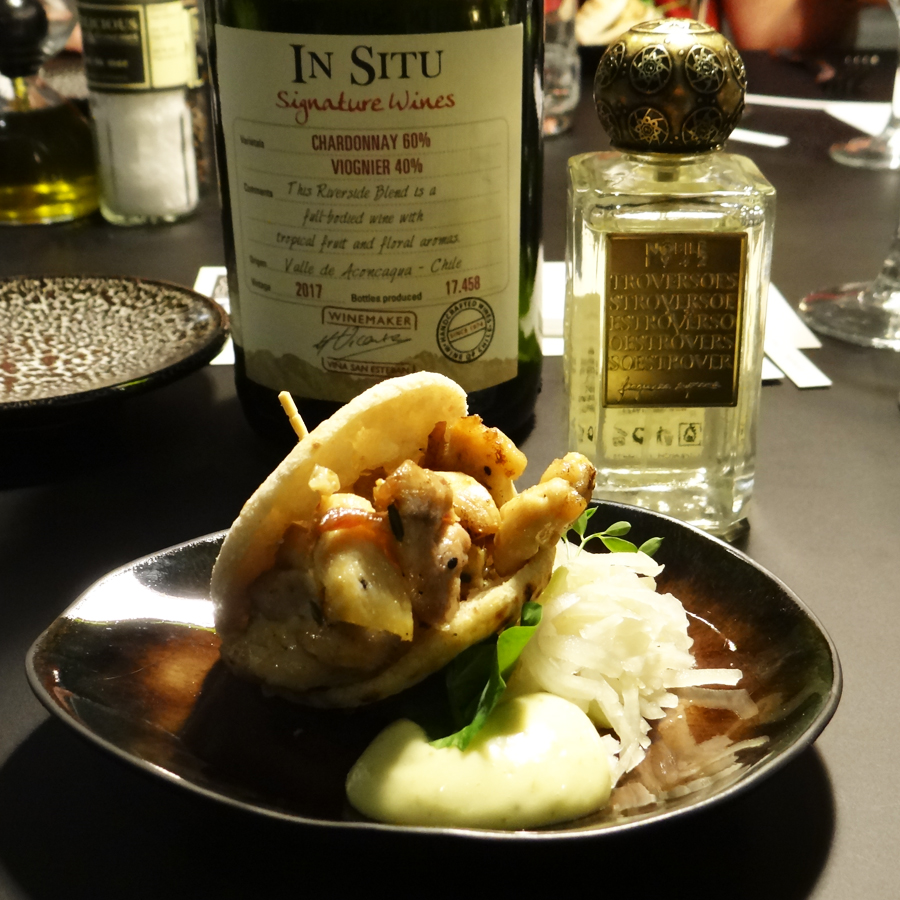

Inmiddels hebben er al verschillende parfumsdiner plaats gevonden. Succesvolle avonden, waarna de gasten vol enthousiasme en vaak nog met een mooi parfum de deur uit gingen. Het biedt een mooie mogelijkheid tot een kruidbestuiving tussen parfumerie en (lokaal) restaurant. In samenwerking met The Scent Company wordt er een selectie van parfums gemaakt, die op die avond de inspiratie zijn voor de Chef en de Sommelier.
Op zoek naar een buitengewoon team-uitje?
We snappen dat je als team-uitje iets speciaals wilt.
Nieuwgierig?
Ben je nieuwsgierig geworden en benieuwd naar de mogelijkheden voor jouw winkel?
Red, Black and White are frequently used colors during Christmas. Color are closely related to emotions and this is also reflected in perfumes. That is why we have made a selection of Red toppers, Black toppers and White toppers. Beautiful perfumes to give as a gift, but also suitable to style your Christmas outfit.
What is your favorite?

RED TOPPERS
Red the color of warmth, passion and romance. A color that is always good during Christmas. Be seduced by RUDIS, PORPORA or NUIT ROUGE.
NOBILE 1942
Rudis | Tough attraction. Dried fruit, combined with Saffron and Leather.
TIZIANA TERENZI
Porpora | The moon in all its glory full and bright not as red as in Italy but with Bulgarian Rose, Clove, Patchouly.
ANTONIO ALESSANDRIA
Nuit Rouge | The night falls and the glow of the volcano lights up; the Black Berry with Rhubarb is supported with Leertonen and Patchouly.
VCANTO
Lucretia | This poison mixer provides a nice combination of Pink Pepper, Jasmine, Cocoa and Coffee for a spicy seductive mixture.
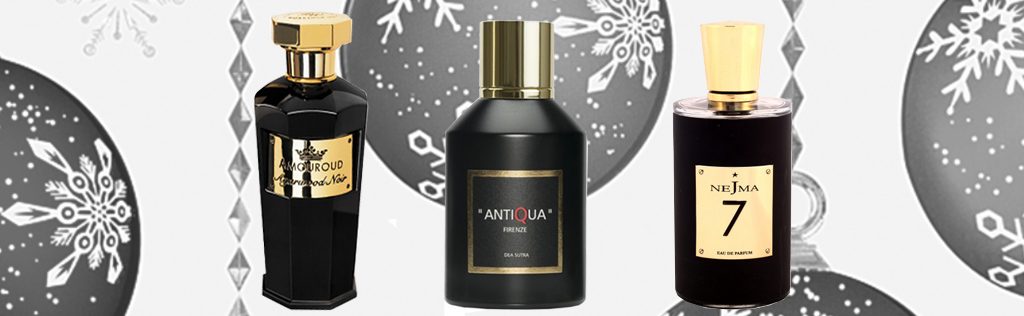
BLACK TOPPERS
Whether it’s a Little black dress or black tie. With these black toppers you are always good.
ANTIQUA FIRENZE
Sogno a Firenze | A floral Aldehyde perfume with Black Pepper, Jasmine and Vanilla.
Presente & Futura | Aromatic with earthy and leather tones, warm and sexy.
AMOUROUD
Old du Jour | One of the most beautiful combinations is Oud with Rose, with a hint of Lily and Plum.
NEJMA
Nejma 7 | An oriental elixir in which Oud is immersed in Gourmand.

WHITE TOPPERS
White, the color of cleanliness, innocence and tenderness. Start Christmas stress free and finish Christmas stress free with the following perfumes;
NOBILE 1942
Malia | This good-natured powerful woman with black currant, pink pepper and tobacco is clear and warm at the same time.
AMOUROUD
White Hinoki | Elegantly refreshing with the Cypres from Japan, clean and powerful at the same time
TIZIANA TERENZI
Cassiopea | Goddess of beauty floating between fruit, chypre and oriental, passion fruit, blackcurrant and fern
Rood, Zwart en Wit zijn veel gebruikte kleuren tijdens de Kerst. Kleur zijn nauw verbonden met emoties en dit is ook terug te zien in parfums. Daarom hebben we een selectie gemaakt van Rode toppers, Zwarte toppers en Witte toppers. Mooie parfums om cadeau te geven, maar ook geschikt om je Kerst outfit af te stylen.
Wat is jouw favoriet?
RED TOPPERS
Rood de kleur van warmte, passie en romantiek. Een kleur die altijd goed is tijdens de Kerst. Laat je verleiden door RUDIS, PORPORA of NUIT ROUGE.
NOBILE 1942
Rudis | Stoere aantrekkingskracht. Gedroogd fruit, gecombineerd met Saffraan en Leer.
TIZIANA TERENZI
Porpora | De maan in al zijn glorie vol en helder niet zo rood als in Italie maar wel met Bulgaarse Roos, Kruidnagel, Patchouly.
ANTONIO ALESSANDRIA
Nuit Rouge | De nacht valt en de gloed van de vulkaan licht op; de Zwarte Bes met Rabarber wordt ondersteund met Leertonen en Patchouly.
VCANTO
Lucretia | Deze gifmengster zorgt voor een mooie combinatie van Roze Peper, Jasmijn, Cacao en Koffie voor een kruidig verleidelijk mengsel.
BLACK TOPPERS
Of het nu een Little black dress wordt of black tie. Met deze black toppers zit je altijd goed.
Antiqua Firenze
Sogno a Firenze | Een bloemen Aldehyde-parfum met Zwarte Peper, Jasmijn en Vanille.
Presente & Futura | Aromatisch met Aardse en Leertonen, warm en sexy.
AMOUROUD
Oud du Jour | Een van de mooiste combinaties is Oud met Roos, met een vleug van Lelie en Pruim.
NEJMA
Nejma 7 | Een oriëntaals elixer waarin Oud wordt ondergedompeld in Gourmand.
WHITE TOPPERS
Wit, de kleur van reinheid, onschuld en tederheid. Begin de Kerst stressvrij en eindig de Kerst stressvrij met de volgende parfums;
NOBILE 1942
Malia | Deze goedaardige krachtige vrouw met zwarte bes, roze peper en tabak is helder en warm tegelijkertijd.
AMOUROUD
White Hinoki | Elegant verfrissend met de Cypres uit Japan, schoon en krachtig tegelijkertijd
TIZIANA TERENZI
Cassiopea | Godin van de schoonheid zwevend tussen fruit, chypre en orientaals, passievrucht, zwarte bes en varen
The name cinnamon comes from Latin, "canella", "stick".
(Ceylon) Cinnamon (or Cinnamomum verum) is one of the best-known spices that comes from the inner bark of the shoots of the cinnamon tree. There are several species, an important species is Cassia (or Cinnamomum aromaticum). Cassia is somewhat stronger and sweeter than Ceylon cinnamon. Cinnamon is one of the spices that can be used for both sweet and savory dishes.
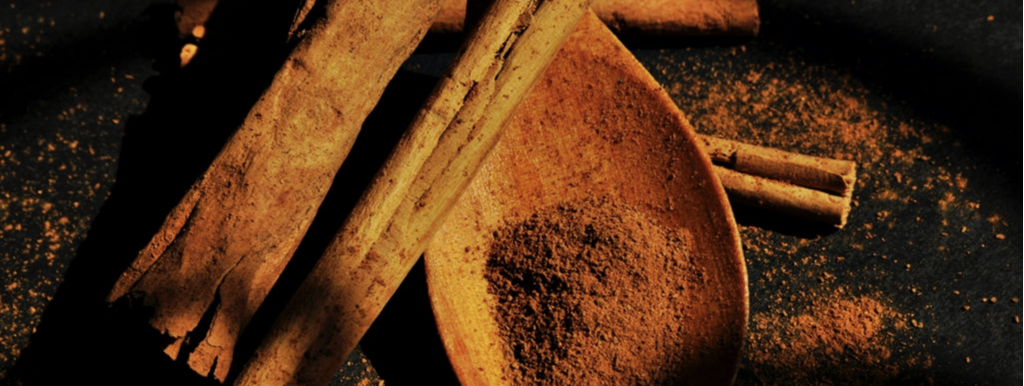
In addition to that cinnamon one of the best-known spices, it is also one of the oldest. Around 2800 BC cinnamon is mentioned in the herbal book of the Chinese Emperor Shennung. In Chinese medicine, cinnamon is used for its antibacterial properties and has therefore been prescribed for centuries for diseases such as colds, nausea and diarrhea. Cinnamon was also known in ancient Egypt and used in perfume.
It was so highly appreciated that cinnamon could even be a worthy gift for kings and other highs. Cinnamon is mentioned in Exodus 30: 23-25. Moses is commanded to use both sweet cinnamon and cassia for the anointing oil of the tabernacle: “Take the finest spices: five hundred shekels of viscous myrrh, half as much fragrant cinnamon – two hundred and fifty shekels, – two hundred and fifty shekels of fragrant sweetness and five hundred shekel cassia, all according to the sanctuary weight of the sanctuary, and a hin of olive oil, and prepared from it sacred anointing oil, a fragrant mixture like a perfume maker. With this holy anointing oil you have to anoint the meeting tent, the ark with the covenant, the table and the lampstand with all its objects, the altar of incense, the altar of burnt offering with the utensils and the washing basin and its foundation. “(Exodus 30: 23-28 NBV)
From 1580, the Portuguese had dominion over Ceylon (later Sri Lanka) and with it the monopoly on the cinnamon trade. At that time they traded an estimated 125 tons of cinnamon per year. The king of Kandy then called in the help of the Dutch. With this the cinnamon monopoly passed into Dutch hands. In 1765 Ceylon started to grow cinnamon on plantations for the first time. In 1796 the English conquered the island. The monopoly on the cinnamon trade came from that moment into English hands, until the Dutch succeeded in Indonesia to also plant cinnamon plantations there. Since then, Indonesia has exported about 8,000 tons of cinnamon per year.
Long before the Europeans took cinnamon from the Far East, they were familiar with this spice and also with cloves and nutmeg. Cinnamon was brought in via the Middle East and via the Hanseatic merchants. The familiarity with these spices in dry form is evident from the Hours of Philip of Cleves from about 1480
CINNAMON in PARFUMS
The bark is scraped into small pieces and laid to dry for 24 hours. The smell is removed from the (cinnamon) sticks by steam distillation. This perfume oil is most commonly used for perfumes and food.
You can actually use everything from the cinnamon tree to the smell. The oil of the leaves is obtained by steam distillation after drying. This oil is cheaper than the oil from the bark. It is used in the perfumery but you can find it more in soap and food. The kernels of the fruits contain cinnamon wax used in scented candles.
How does it smell?
Cinnamon sticks smell warm, full, slightly fruity, peppery and vanilla-like. The cinnamon leaves smell spicy, woody and a bit metallic.
A small selection of perfumes where cinnamon is one of the nuts.
1 million – Paco Rabanne
Poison – Dior
Amouage Lyric Woman – Amouage
La danza delle libellule – Nobile 1942
White Hinoki – Amouroud
Pompeii – Anima Mundi
Caldo Gourmand – Officina delle Essenze
Palindrome II – Santi Burgas (cinnamon tree leaves)
De naam kaneel is afkomstig uit het Latijn, "canella", "stokje".
(Ceylon)Kaneel (ofwel Cinnamomum verum) is een van de bekendste specerijen, dat afkomstig is uit de binnenbast van de scheuten van de kaneelboom. Er zijn diverse soorten, een belangrijke soort is Cassia (ofwel Cinnamomum aromaticum). Cassia is wat branderiger en zoeter dan Ceylon kaneel. Kaneel is een van de specerijen dat gebruikt kan worden voor zowel zoete als hartige gerechten.
Naast dat kaneel een van de bekendste specerijen is is het ook een van de oudste. Rond 2800 voor Christus wordt kaneel al genoemd in het kruidenboek van de Chinese Keizer Shennung. In de Chinese geneeskunde wordt kaneel gebruikt om zijn antibacteriële eigenschap en wordt daarom al eeuwenlang voorgeschreven bij ziektes als verkoudheid, misselijkheid en diarree. Ook in het oude Egypte was kaneel bekend en werd het gebruikt in parfum.
Het werd zo hoog gewaardeerd, dat kaneel zelfs een waardig geschenk kon zijn voor koningen en andere hoogheden. Kaneel wordt genoemd in Exodus 30:23-25. Mozes wordt opgedragen om zowel zoete kaneel als cassia te gebruiken voor de zalfolie van het tabernakel: “Neem de fijnste specerijen: vijfhonderd sjekel dikvloeibare mirre, half zoveel geurige kaneel-tweehonderdvijftig sjekel dus-, tweehonderdvijftig sjekel geurige kalmoes en vijfhonderd sjekel kassia, alles volgens het ijkgewicht van het heiligdom, en een hin olijfolie, en bereid hieruit heilige zalfolie, een geurig mengsel zoals een reukwerker dat maakt. Met deze heilige zalfolie moet je de ontmoetingstent zalven, de ark met de verbondstekst, de tafel en de lampenstandaard met alle bijbehorende voorwerpen, het reukofferaltaar, het brandofferaltaar met het gerei en het wasbekken en het onderstel ervan.” (Exodus 30:23-28 NBV)
Vanaf 1580 voeren de Portugezen de heerschappij over Ceylon (het latere Sri Lanka) en daarmee het monopolie op de kaneelhandel. In die tijd verhandelden zij naar schatting 125 ton kaneel per jaar. De koning van Kandy riep vervolgens de hulp in van de Hollanders. Hiermee ging het kaneelmonopolie over in Hollandse handen. In 1765 begon men op Ceylon voor het eerst kaneel te verbouwen op plantages. In 1796 veroverden de Engelsen het eiland. Het monopolie op de kaneelhandel kwam vanaf dat moment in Engelse handen, totdat de Nederlanders er in Indonesië in slaagden om ook daar kaneelplantages aan te leggen. Sindsdien exporteert Indonesië ongeveer 8000 ton kaneel per jaar.
Reeds lang voordat de Europeanen zelf kaneel haalden uit het Verre Oosten waren zij bekend met deze specerij en ook met kruidnagelen en nootmuskaat. Kaneel werd via het Midden Oosten en via de Hanzekooplieden aangevoerd. De bekendheid met deze specerijen in droge vorm blijkt uit het getijdenboek van Filips van Kleef uit ca. 1480
KANEEL in PARFUMS
De schors wordt in kleine stukjes uitgeschraapt en 24 uur te drogen gelegd. De geur wordt door stoom destillatie uit de (kaneel)stokjes gehaald. Deze parfumolie wordt het meest gebruikt voor parfums en eten.
Eigenlijk kan je alles van de kaneelboom gebruiken voor de geur. De olie van de bladeren worden na het drogen door stoomdestillatie verkregen. Deze olie is goedkoper dan de olie uit de schors. Het wordt wel in de parfumerie gebruikt maar je vindt het meer terug in zeep en eten. De pitten van de vruchten bevatten kaneelwax die gebruikt wordt in geurkaarsen.
Hoe ruikt het?
Kaneelstokjes ruiken warm, vol, licht fruitig, peperachtig en vanille-achtig. De kaneelbladeren ruiken kruidig, houtachtig en een beetje metalig.
Een kleine selectie van parfums waarin kaneel een van de noten is.
1 million – Paco Rabanne
Poison – Dior
Amouage Lyric Woman – Amouage
La danza delle libellule – Nobile 1942
White Hinoki – Amouroud
Pompeï – Anima Mundi
Caldo Gourmand – Officina delle Essenze
Palindrome II – Santi Burgas (kaneelboom bladeren)
Voornamelijk bekend van de zwart gouden flessen, heeft AMOUROUD nu ook een wittte collectie. Deze bestond al uit WHITE HINOKI (woody/spicy) en LUNAR VETIVER (woody/oriental), maar sinds kort is daar WET STONE (spicy/citrus) bijgekomen.
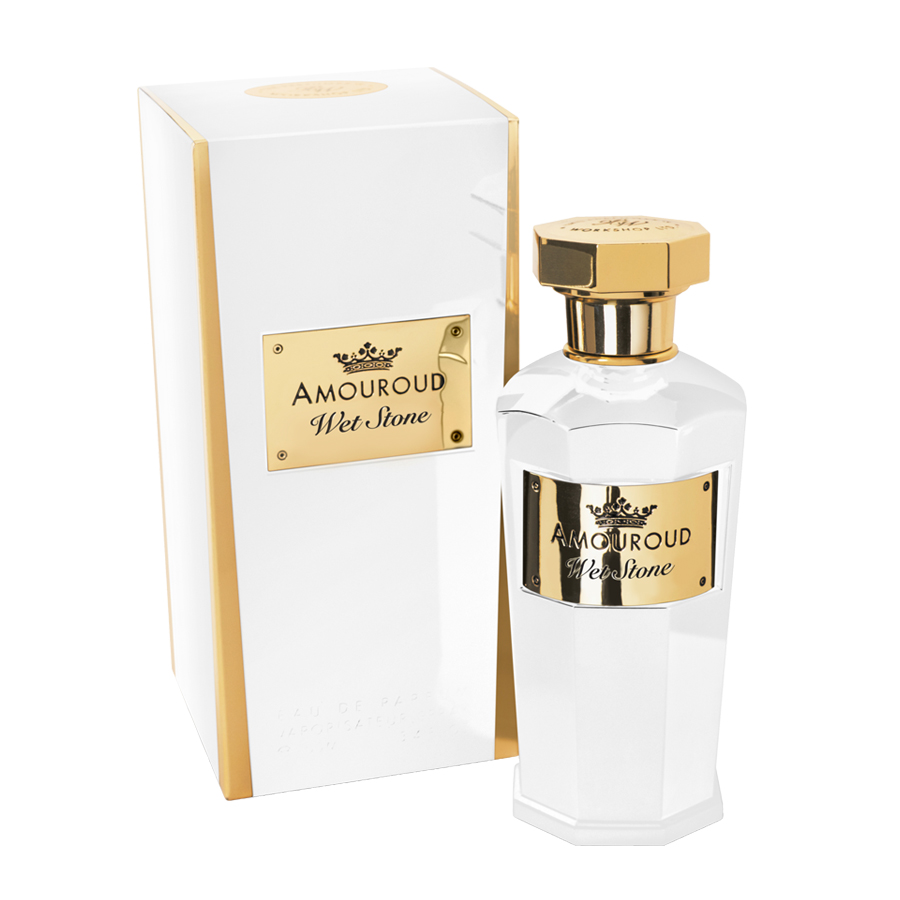
WET STONE
Het geluid van water dat klaterend over de rotsen valt terwijl het zich een weg baant door een bevroren landschap, Wet Stone roept de natuurlijke kracht en schoonheid van een bergwaterval op.
Stevig en verkwikkend, mineraal, bergamot en citroen mix in een sprankelende topnoot. Het aroma van geurige natte aarde bevochtigd door de straal van kolkend water. Zijn mineraliteit en frisheid zijn onmiskenbaar.
In het hart trilt Wet Stone met kenmerkende noten: subtiele kruiden; gember, romige kardemom en aromatische salie laten verder zijn complexe karakter zien.
Sensuele amber, warme ceder uit Alaska, opwekkend vetiver, oud en patchoeli, aarde en water komen samen in de basis, in harmonie een hommage aan tegengestelde krachten.
Top: Bergamot, Zeezout, Citron
Hart: Gember, Cardamom, Salie, Wet stone
Base: Ambergris, Patchouli, Vetiver, Oud


